Blake’s Ochre,
William Blake’s Bi-Centenary 2027
for Gregory Vincent St. Thomasino
David Annwn
The fires of Eternity
a microscopic
grain of paint
‘The Ancient of Days’,
that great sun-blaze
over brightening millennia
incredibly pure
veins within the sandy clay
weighty and vibrant yellow earth
Break this heavy chain,
That does freeze my bones around
Selfish! vain!
Eternal bane!
One of the most significant findings
a yellow ochre piece
from the Micoquian Age (approximately 130,000 to 33,000 years ago)
deliberately scraped into a crayon
Albion’s oxidised bones gave light to his wings.
The maker ground the ribs of a sleeping giant
a “pseudomorph”—a fossil perfectly cast out of pure yellow or
red ochre rock.
The iron veins bound up in the English clay are physical echoes of
cosmic explosions from other parts of the universe, bridging
the paint-speck
to the Universe
That once inclos’d the terrible wandering comets in its sphere.
Then Mars thou wast our center, & the planets three flew round
Thy crimson disk ; so e’er the Sun was rent from thy red sphere...
A Memorable Fancy
If you were to stand in a Martian crater,
you would be surrounded by a landscape
of raw ochre, born from the exact
same pre-solar cloud of stellar debris,
the powder of which Blake purchased
from colourmen
sourced from quarries in
the English countryside
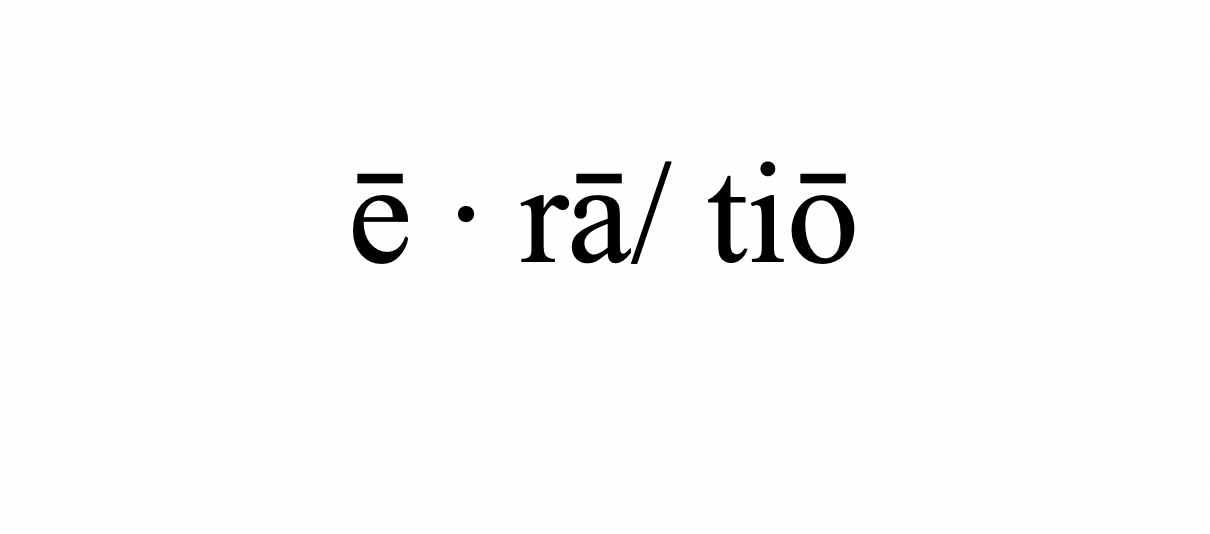
Like Echo, Orc is also contained in Ochre
visually and textually linked to fire,
blood, and the volcanic elements
When Blake colour-printed Orc breaking free from his
chains, he surrounded him with the heavy,
deep yellow ochres
and burnt red earth pigments,
As light enters the film of ochre it is bent by silica,
bounced by the clay, and filtered by iron,
creating incoherent, diffuse reflection,
scrambled and cast back out
to the human eye from thousands
of different structural angles
simultaneously, eliminating harsh reflection creating a
glow that defines
the transfigured image
yellow-toned pigments
possess the highest visual luminance
of any hue, meaning they naturally register
first in the human retina and physically
advance or project forward
when placed next to cooler colours
jagged microscopic mineral particles scatter light rather than absorbing it.
This ‘sun’ came out and rose out of the earth
I mean physically –
Blake ground its powders.
He lifted it up with his imagination—
Yellow ochre-clay is a living city
riven through by bacterial slime secreted by
Pseudomonas, glueing the oxides to silicates
inside the dense, oxygen-starved centre
anaerobic bacteria like Geobacter are
‘breathing’ the iron,
keeping the deep clay chemically dynamic
and on freshly sliced edges iron-oxidizing
bacteria rapidly awaken to lock down dissolved
minerals into
bright yellow crystals.
The Microscope knows not of this nor the Telescope: they alter
The ratio of the Spectator’s Organs, but leave Objects untouch’d.
bivalves and minute freshwater gastropods (snails) trapped directly
within the silty iron clay. These micro-fossils allowed scientists to
precisely date Blake’s pigment source to the Valanginian stage
(roughly 140 million years old)
Without contraries…
London, York, and the English hills are Albion’s limbs, rocks are his
bones, and rivers are his circulatory system.
To ensure maximum visibility under the dim, soot-choked London
sky, sign-writers used highly contrastive, cheap, and permanent
mineral pigments. Backgrounds were frequently painted in deep,
earthy yellow ochre or raw sienna, with the lettering executed in thick
lampblack or bone black—the same raw pigment combination Blake
kept on his studio grinding stone
‘Blake’ in Old English and northern British dialects (derived from the
Old English blac) literally translates as “pale yellow”
(“as blake as butter”)
Sun passes through Sun
through sheaves of summers
the season's head as bound with “yellow sheaves.”
When Blake printed ‘Earth’s Answer’, he used yellow and red
ochre—his primary ink layer.
To read ‘Earth’s Answer’ is to look literally at the physical dust of
earth answering the poet’s call
yellow ochre —his primary tool for painting divine light
Blake describes a violent cosmic separation where a fiery element is
cast out into the void, forming “a yellow clod” in the darkness.
Yellow
seeing the “Universe in a Grain of Sand”—in ochre is literally true.
painting with grit of stars.
to see the letters of echo occur and dance in ochre
Ancient Greek: ὠχρός (ōkhrós) (“pale, yellowish”);the noun ὤχρα (ṓkhra) (“pale yellow”).
literal mud and clay dug from the pits of the English earth: cheap,
ordinary, and industrial.
transformed into the golden disk of an apocalyptic sun
copper plates filled with the earth’s heavy veins
I look up, I walk into the garden where September windfall apples are
red-gold suns
When Blake used ochre he was echoing the earliest known symbolic
art created by Neanderthals and early humans in prehistoric caves
natural ochre pigments never fade,
“To see a World”
When Blake looked at a pile of dull
inchoate mediocre
ochre
the children are “seen / On the Echoing Green.”
yellow ochre to weave the delicate, climbing vines and foliage
framing the text. By using it, Blake structurally grounds the poem’s
pastoral in a tangible warm earth
Blake singing ‘The Nurse’s Song’
When the voices of children are heard on the green
And whisp’rings are in the dale
The days of my youth rise fresh in my mind,
Detail of top left corner
showing flecks of yellow ochre
ink on top
of green colour:
the voices of children
flecked with yellow
David Annwn is the author of 14 books of poetry, well-known for his collaborations with celebrated American calligrapher, Thomas Ingmire and his Gothic and Film critical studies. In August 2026, he presented his literary archive to the National Library of Wales, a rare honor for a living author.